

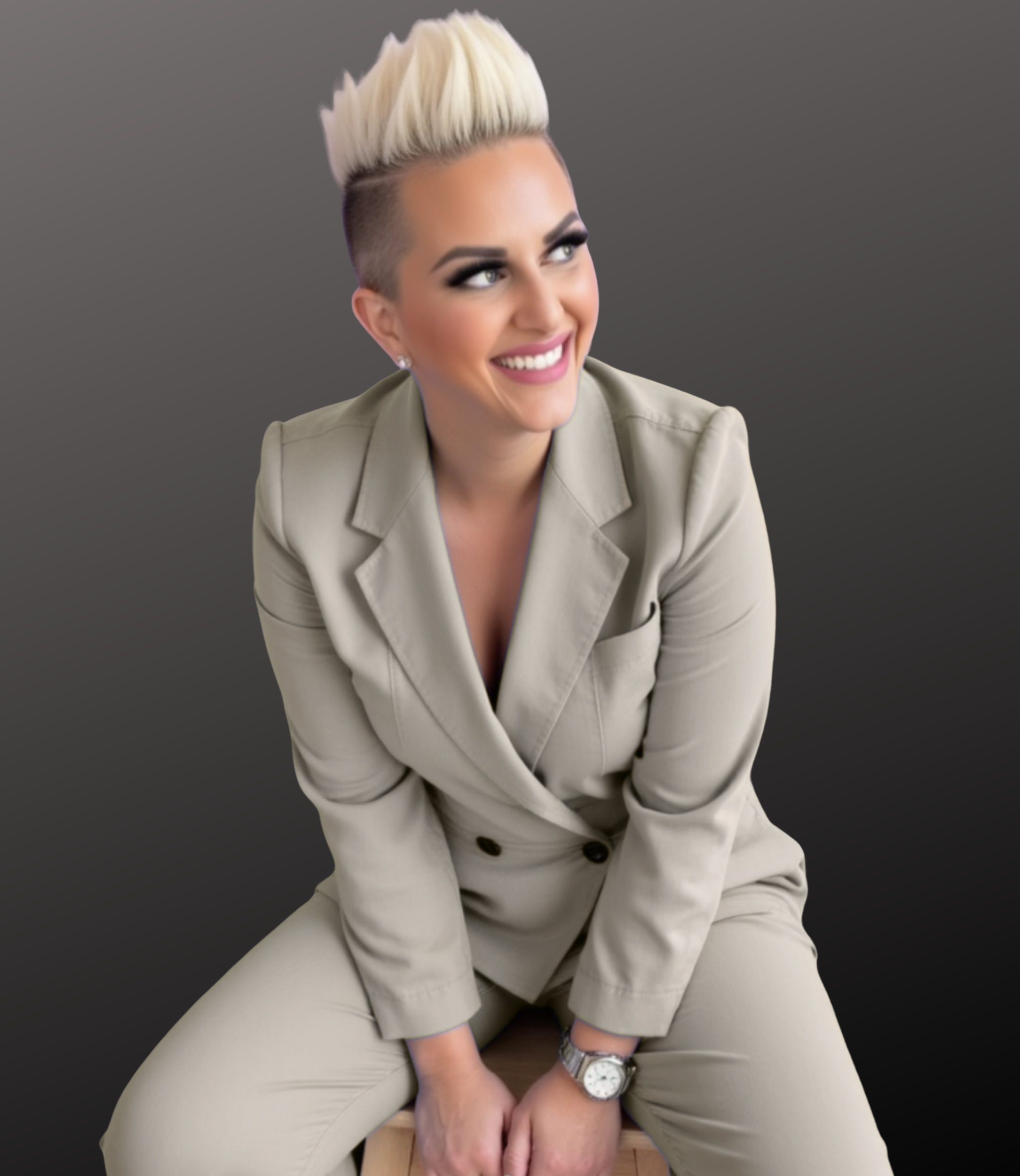
HI, I’M SAM (SHE/HER).
I'm on a mission to help high achievers reclaim their confidence, rebuild self-trust, and find themselves again after narcissistic abuse—without sacrificing their ambition, their voice, or who they are in the process.
quietly questioning your worth.
I'm a Licensed Clinical Social Worker, therapist, entrepreneur, executive coach, and speaker who works at the intersection of high achievement, narcissistic abuse, shame, and self-worth. And while my clinical training informs everything I do, my understanding of this work goes well beyond textbooks.
In 2018, I began building what would become Pittsburgh's largest and most recognized affirming group therapy practice. What started from the ground up eventually grew into a multimillion-dollar organization generating more than $2.5 million in annual revenue, with a team of over 30 employees serving communities that had spent far too long struggling to find care that genuinely affirmed who they were.
By every external measure, I was successful. And I was incredibly proud of what I'd built.
But if I'm being honest, I was also sort of... miserable. For quite a long time.
As the business continued to grow, the life I'd worked so hard to build started feeling less and less like the life I actually wanted to be living. The responsibilities got bigger. The expectations got heavier. And somewhere along the way, I became so focused on keeping everything moving that I stopped questioning whether any of it was actually working for me.
There's something particularly disorienting about achieving things you once dreamed of and realizing that, despite all the evidence of success around you, you're deeply unhappy.
And when you're someone who prides herself on being able to figure things out? You don't necessarily recognize that disconnect for what it is. Sometimes you just work harder, take on more, and convince yourself that if you can get through the next challenge, things will finally feel different.
But what I didn't fully understand then was just how much of my identity, my self-worth, and even my definition of success had become intertwined with my ability to achieve, take care of others, and hold everything together.
I live by one belief: You cannot live or lead boldly while
And my experience with narcissistic abuse brought those patterns into focus in ways I never could have anticipated.
I'm a survivor of narcissistic abuse. And I know firsthand just how profoundly that experience can dismantle your ability to trust yourself, regardless of how intelligent, successful, educated, or self-aware you are.
I could make complex decisions, lead an organization, and advocate fiercely for other people. And yet, in my personal life, I found myself questioning my own judgment, explaining away harmful behavior, and wondering whether I was somehow the problem.
I was a problem solver. A fixer. Someone who believed that if I could just understand something well enough, communicate clearly enough, or work hard enough, I could figure it out.
And one of the most difficult things I've had to come to terms with is that those qualities, while genuinely valuable, didn't always serve me in the ways I thought they did.
But what I've come to understand is that the impact of narcissistic abuse doesn't remain neatly contained within the relationship itself.
It affects how you see yourself. What you believe you deserve. The decisions you make. The responsibility you assume. The boundaries you struggle to maintain. And, sometimes, the very things you've spent years building.
And for a long time, I didn't fully recognize the extent of it.
My personal and professional lives became deeply intertwined, and understanding their impact has required me to confront some extraordinarily difficult truths.
In 2022, my clinical social work license was temporarily suspended following a serious professional boundary violation. I take responsibility for the decisions that led to that suspension, and I recognize the significance of the professional and ethical responsibilities involved.
But that chapter of my life also unfolded during a period of profound personal upheaval, much of which I was only beginning to understand at the time.
By the time I left that relationship, I was confronting just how deeply my experiences had affected my identity, confidence, and ability to trust my own perceptions.
And I still had a multimillion-dollar business to run.
I was responsible for leading an organization, supporting more than 30 people, navigating complex financial and operational decisions, and maintaining a business that had become an enormous part of my professional identity.
All while trying to make sense of experiences that had fundamentally changed how I understood myself.
I knew how to lead a team, solve complicated problems, and make high-stakes decisions. What I was struggling to figure out was how to trust myself again.
And that disconnect didn't disappear when I showed up to work.
The years that followed brought significant personal, legal, and professional challenges. In the spring of 2025, the business I'd spent years building experienced a very public and painful unraveling.
Watching so much of what I'd created change so dramatically was devastating. And it brought a complicated kind of grief, particularly because I had already begun recognizing that the life I'd worked so hard to create wasn't necessarily the life I wanted to continue living.
I was grieving what I was losing while simultaneously questioning how much of it I actually wanted back.
There was no straightforward path through any of it. No clean separation between my personal experiences and my professional responsibilities. And no way to rebuild without confronting some difficult realities about my decisions, my relationships, my identity, and the way I'd come to measure my own worth.
My clinical social work license was then reinstated, marking an important milestone in a much larger process of rebuilding.
But rebuilding has meant far more than returning to clinical practice or redefining my career.
It's required me to examine the ways shame, self-doubt, and my need to hold everything together shaped how I moved through the world. To recognize where I needed to take accountability, where I needed to establish boundaries, and where I'd spent far too long assuming responsibility that wasn't mine to carry.
It's also required me to reconsider what success actually means when it's no longer defined solely by what I accomplish, how much I can manage, or how effectively I can meet everyone else's expectations.
I'm proud of the business I built—and rebuilt. I'm publicly honest about the decisions I've made and the professional consequences I've faced—it’s at the forefront of everything I do. And I'm equally honest about the profound impact my personal experiences have had on my life.
Those realities aren't mutually exclusive. They're all part of my story.
And they've fundamentally changed how I approach this work.
Here's what I know after all of it: Being highly capable doesn't protect you from self-abandonment.
Narcissistic abuse doesn't discriminate based on intelligence, education, professional accomplishments, or how confident someone appears to be.
Sometimes it looks like the person who can confidently run an entire organization but agonizes over whether they're being unreasonable for expecting basic respect in a relationship.
Sometimes it's the person everyone describes as strong and independent who has slowly learned to second-guess every decision, apologize for having needs, and take responsibility for someone else's behavior.
And sometimes it's the high achiever whose greatest strengths—their empathy, determination, accountability, and willingness to work through difficult things—have become the very qualities keeping them stuck in a cycle of trying to solve problems they didn't create.
I know because I've lived versions of those contradictions myself.
And I've also learned that leaving an abusive relationship doesn't automatically mean you've stopped carrying everything it taught you about yourself.
The second-guessing. The shame. The overexplaining. The fear of getting things wrong. The pressure to prove you're good enough, capable enough, or worthy enough.
Those patterns have a way of following you into your relationships, your career, your leadership, and the way you move through the world.
And sometimes, the person who appears to have everything under control is simultaneously fighting to make sense of their own reality.
That's why I do this work.
Through Unleashed Impact, I help high achievers, leaders, and survivors of narcissistic abuse understand the patterns they've developed to survive, rebuild trust in themselves, and create lives and careers that don't require abandoning themselves in the process.
I bring clinical expertise, lived experience, and the perspective of someone who has built, lost, questioned, and rebuilt more than she ever imagined.
I've experienced tremendous professional and financial success. I've also experienced profound personal, professional, and financial loss. I've had to take accountability, confront uncomfortable truths, and reconsider nearly everything I once believed about success, identity, and what it means to be strong.
And I have absolutely no interest in offering you another polished version of "just believe in yourself" or "set better boundaries."
I'm interested in helping you understand why those things can feel so damn difficult in the first place—and what it actually takes to change them.
Because I know firsthand that you can build something extraordinary, be exceptionally good at taking care of others, and still find yourself struggling to recognize the person you've become along the way.
And I also know that rebuilding isn't simply about getting back to who you were before everything changed. Sometimes it's about finally giving yourself the opportunity to become someone you never had the space to be.
Because you shouldn't have to choose between being incredibly successful, and being authentically and unapologetically yourself.
And helping people reclaim both? That's what drives everything I do.
MY MOTTO IS AND ALWAYS WILL BE
“You cannot build at your ceiling while operating from your wounds. At some point, the most strategic thing you can do is deal with what's actually running the show.”
YOU SHOULD ALSO PROBABLY KNOW
I’M NEURODIVERGENT AS HELL (HELLOOOO, ADHD).

01
I’M A DOG LOVER. MEET MY ASSISTANTS: ROMIE & COOPER.
02

who has never once struggled with self-worth.
03
I’M A CAT MAMA TO MOO—

I’VE BEEN A GROUP PRIVATE PRACTICE OWNER SINCE 2018.
04
my own personal superhero.
05
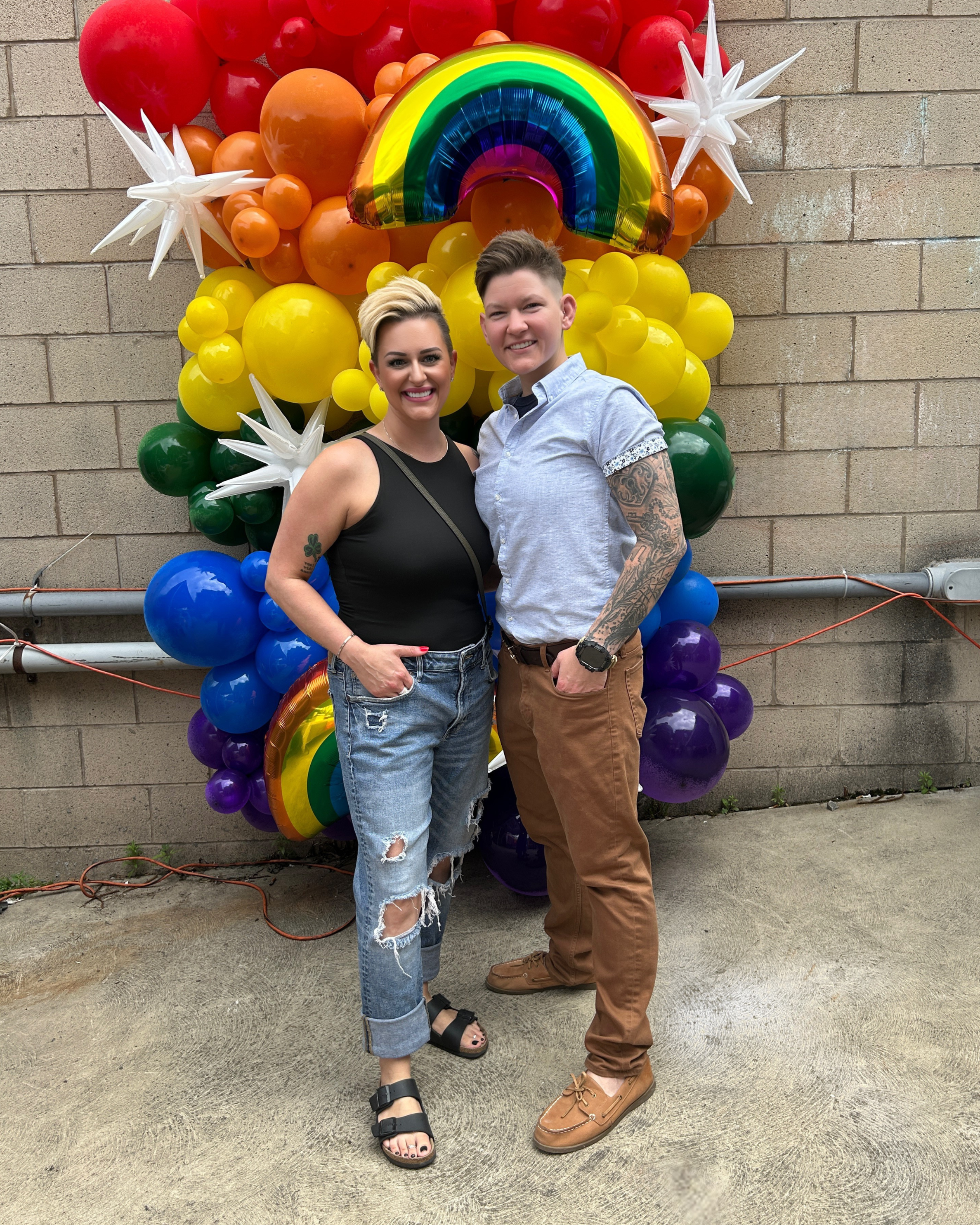
I’M THE VERY PROUD PARTNER OF A PARAMEDIC 🖤.
I SPLURGE ON TRAVELING—IT’S ONE OF MY FAVORITE THINGS.
06
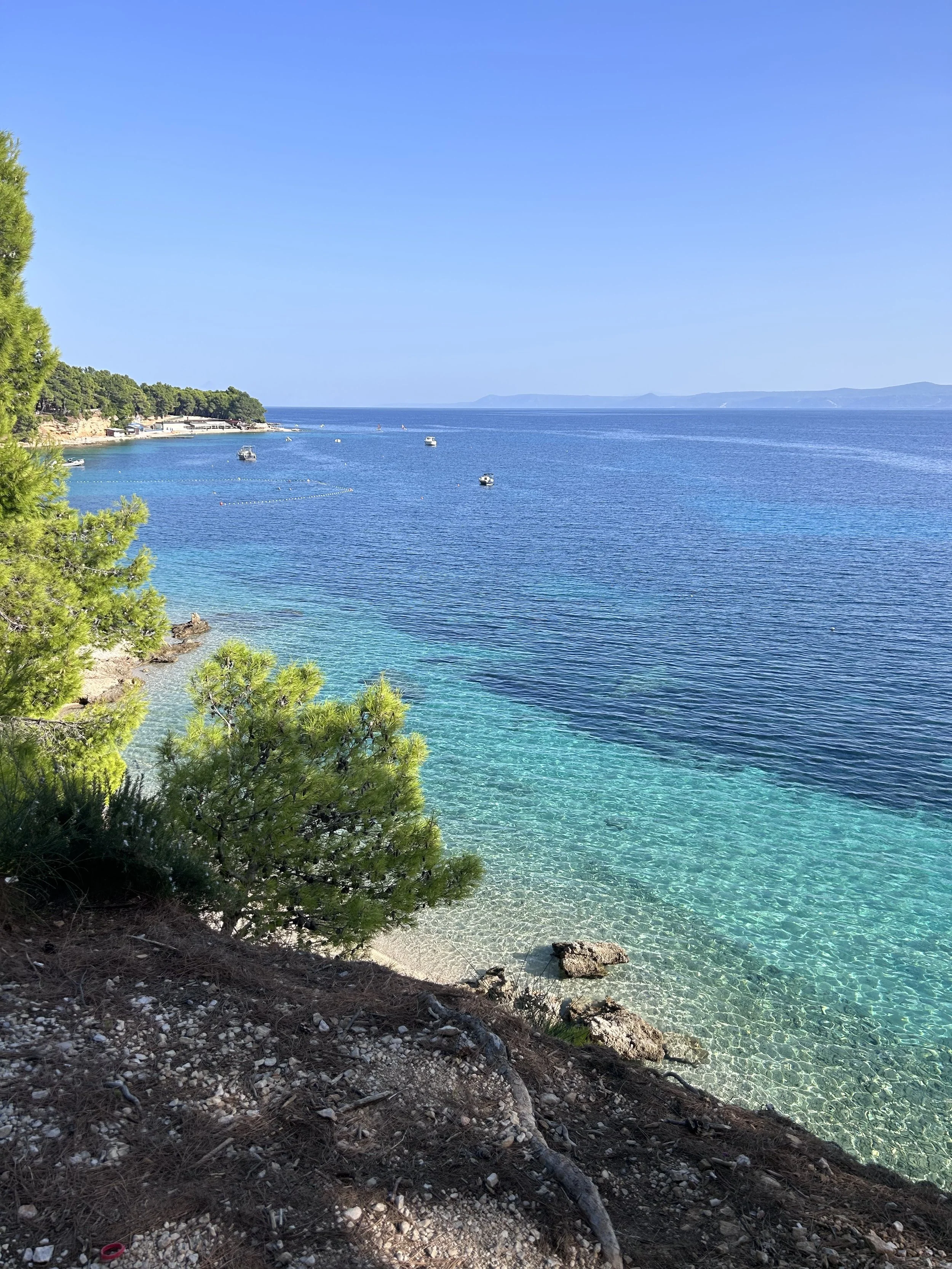
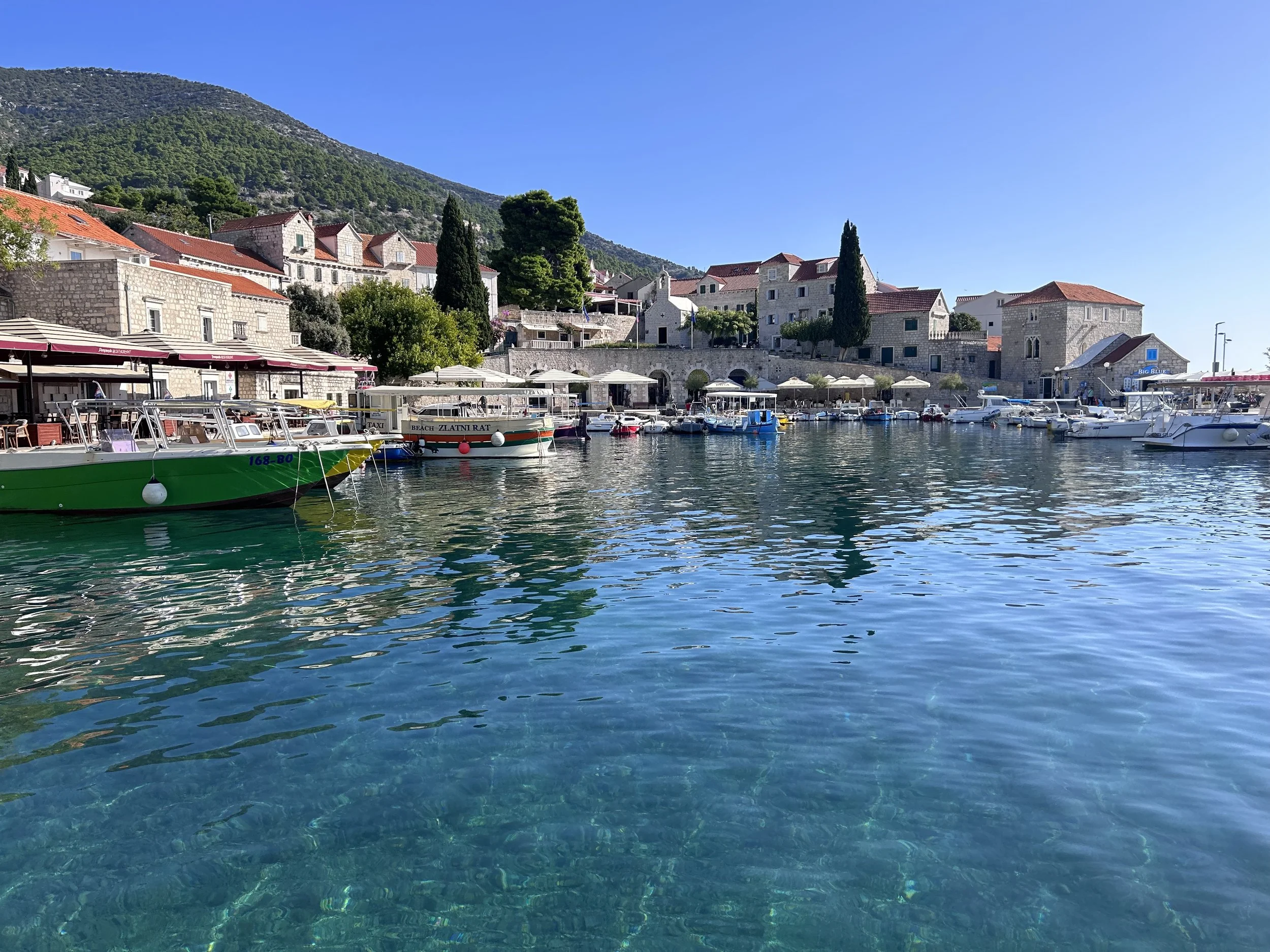
FROM MY SOLO TRIP TO CROATIA, MY FAVORITE PLACE ON EARTH.
LET’S GET STARTED